PSI vs GPM: Which Number Actually Cleans Faster?
Aug 26, 2026





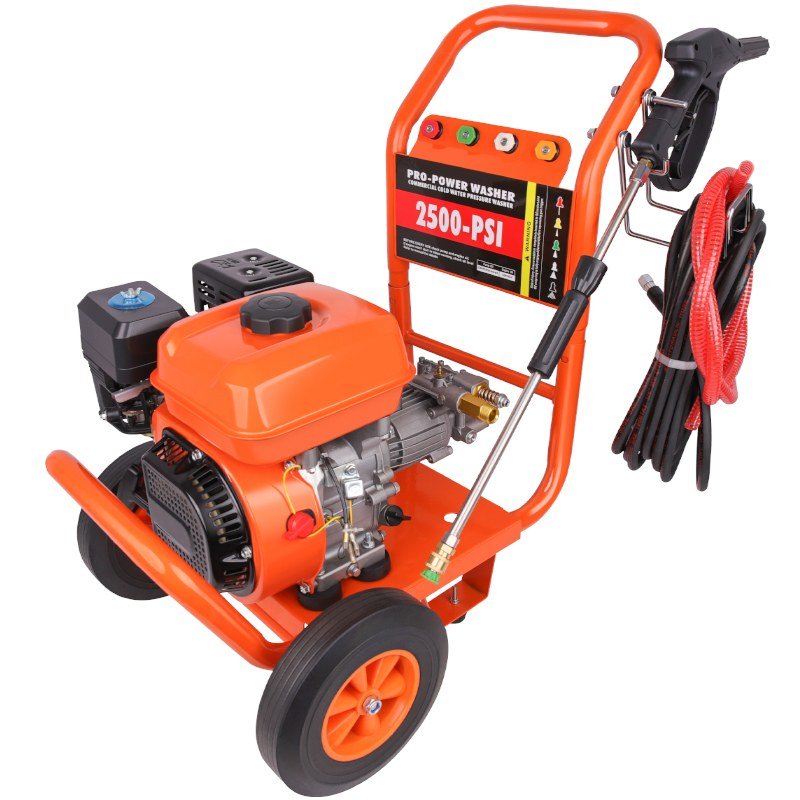
A gasoline pressure washer takes high-pressure cleaning to places with no mains supply: farms, construction sites, mobile detailing units, municipal work, and any job where dragging a cable is the problem rather than the solution.
The engine is the whole point. It removes the tether, and it removes the ceiling that a domestic socket puts on available power. Where the machine will live in one place with power laid on, an electric pressure washer is quieter and cheaper to run; where it moves, it does not compete.
For bulk buyers, the question is mobility versus duty. A gasoline pressure washer bought for a fixed bay is money spent on a feature nobody uses, while an electric one bought for field work is a machine that sits idle waiting for a generator.
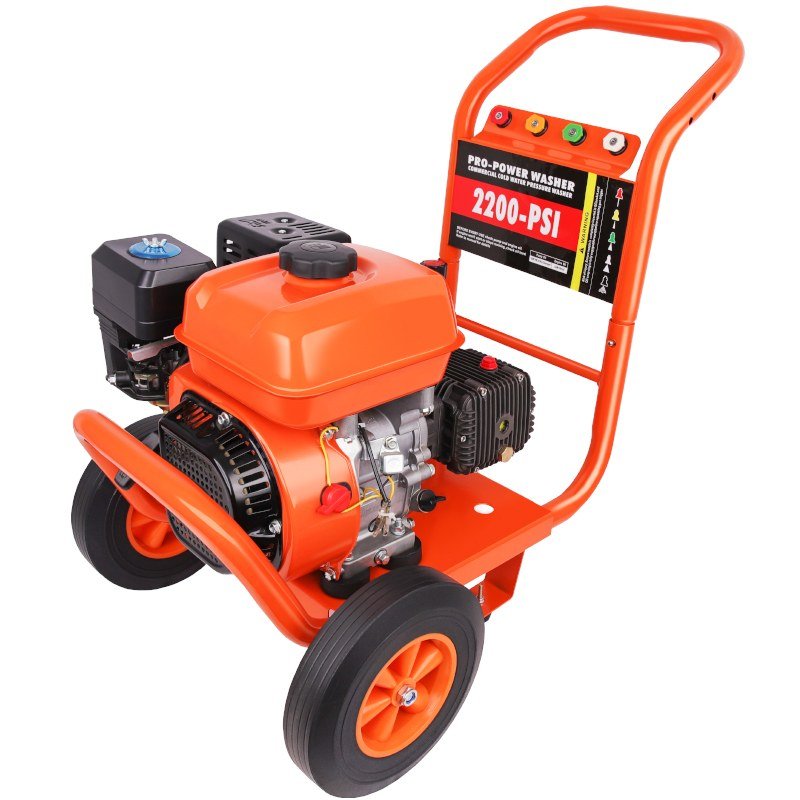
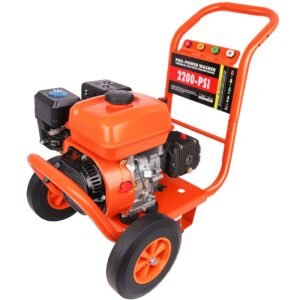
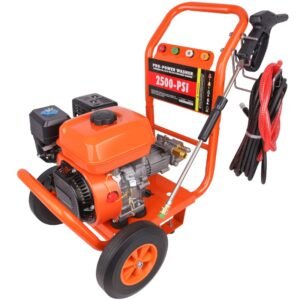
This is the part buyers get wrong most often, and our own range demonstrates it plainly. Two machines built on the same 168 engine platform behave completely differently depending on the pump: the standard high-pressure configuration delivers markedly more flow, while the swash plate configuration trades roughly a third of that flow away to gain pressure.
Neither is better in the abstract. Higher flow finishes large surfaces faster; higher pressure releases coatings and baked-on residue that flow alone will not shift. Ask what the operator is removing before looking at any engine figure.
Moving up the engine range raises pressure substantially while flow stays broadly level, which is the same pattern seen across the electric line. A bigger engine on a gasoline pressure washer buys cleaning power, not cleaning speed.
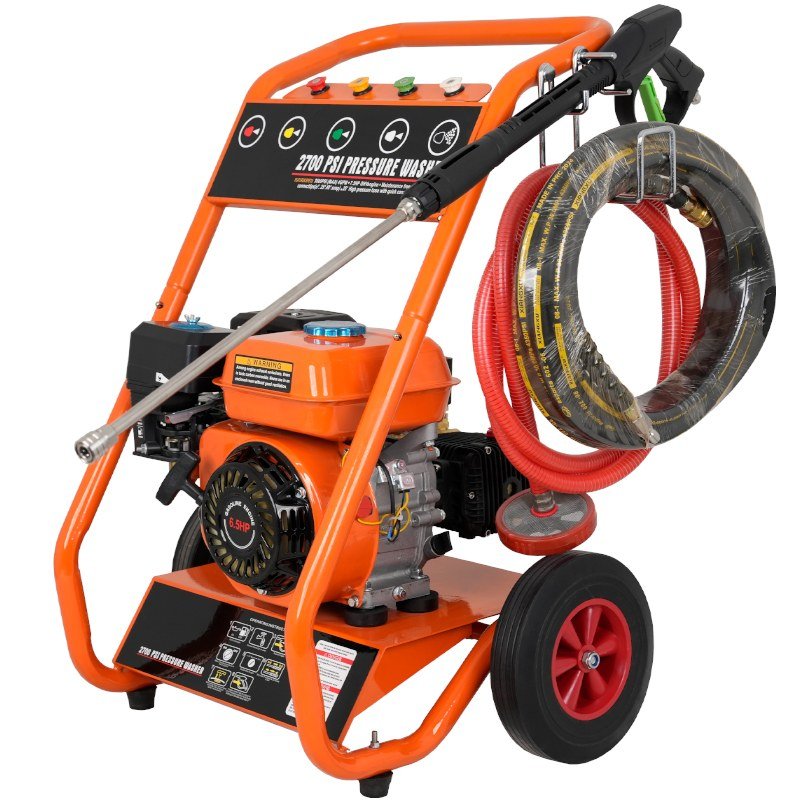
Confirm the starting method your market expects — our engine-driven units are offered with both recoil and electric start, and the preference is regional rather than technical. Confirm hose length and whether a reel is wanted, since these change handling more than most buyers anticipate.
Water supply deserves a direct question too. A pressure washer starved of inlet water will cavitate and damage its own pump regardless of how well it is specified, and this causes more warranty claims than any manufacturing fault.
Fuel availability and local emissions rules should be confirmed before the order rather than after. They are not adjustable once the container is loaded.
Pump seals, nozzles, hoses and lances are consumables on any high-pressure machine, and engine-driven units add filters and spark plugs. A distributor who stocks them keeps the customer; one who does not sells the machine once.
Winter storage is the other recurring issue. Water left in a pump through a freeze will crack it, and the cost of explaining that at the point of sale is nothing compared with the cost of replacing the pump.
WENXIN supplies gasoline pressure washers with high-pressure and swash plate pump configurations across a range of engine outputs, with OEM and ODM support for brand, colour, packaging and specification. Tell us what the operator is cleaning and how the machine will be transported, and we will point at the configuration that fits. The full line is on our pressure washer page.