Petrol Engine Water Pump: How to Choose Port Size, Head and Suction Lift
Oct 13, 2026



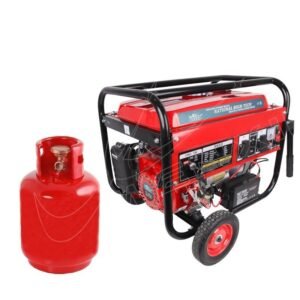
A multi fuel generator runs on more than one fuel — typically gasoline plus LPG, and in tri-fuel configurations natural gas as well — using whichever is available, affordable or safest to store at the time.
That flexibility is the entire proposition. Customers buy it where fuel supply is uncertain, where gasoline storage is restricted, or where LPG is simply cheaper and easier to keep on hand than liquid fuel. Standby power for homes and small premises is the most common use.
For bulk buyers, this is a market-driven category. In regions with established LPG distribution it sells strongly; where it does not exist, a conventional gasoline generator covers the same need without the extra hardware.
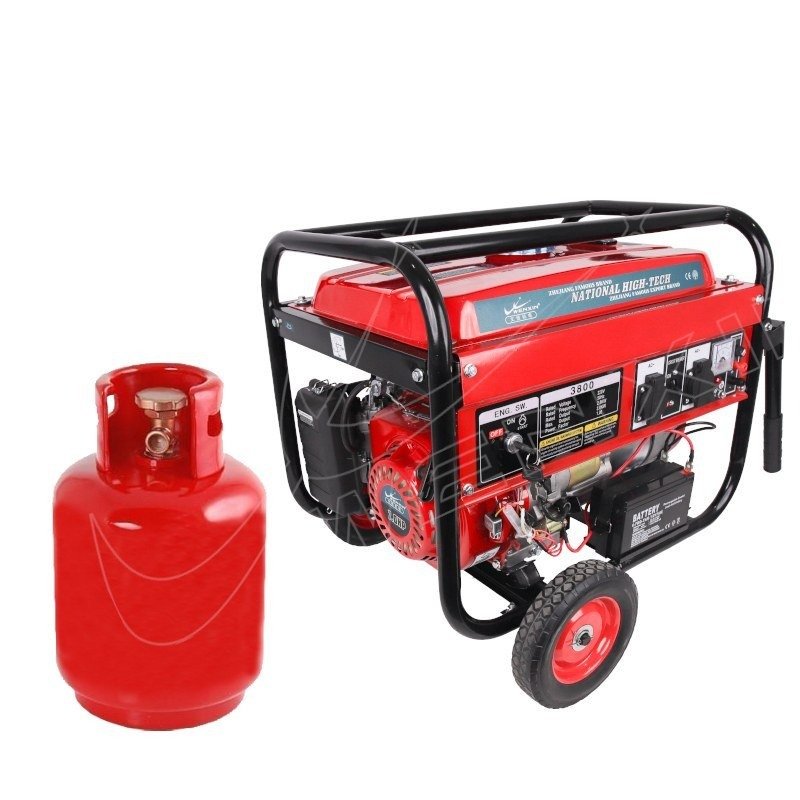
Three reasons come up repeatedly. Storage: LPG cylinders keep indefinitely, while gasoline degrades and is often restricted in quantity at residential premises. Availability: during the outages when a generator matters most, fuel stations are frequently the first thing to close. Cost: in many markets gas is meaningfully cheaper per hour of running.
Against that, a multi fuel generator carries the conversion hardware and the associated cost, and output on gas is typically not identical to output on gasoline. Customers should be told this plainly rather than discovering it later.
Our configurations are built on established gasoline engine platforms, which keeps parts and servicing familiar rather than introducing a separate maintenance path.
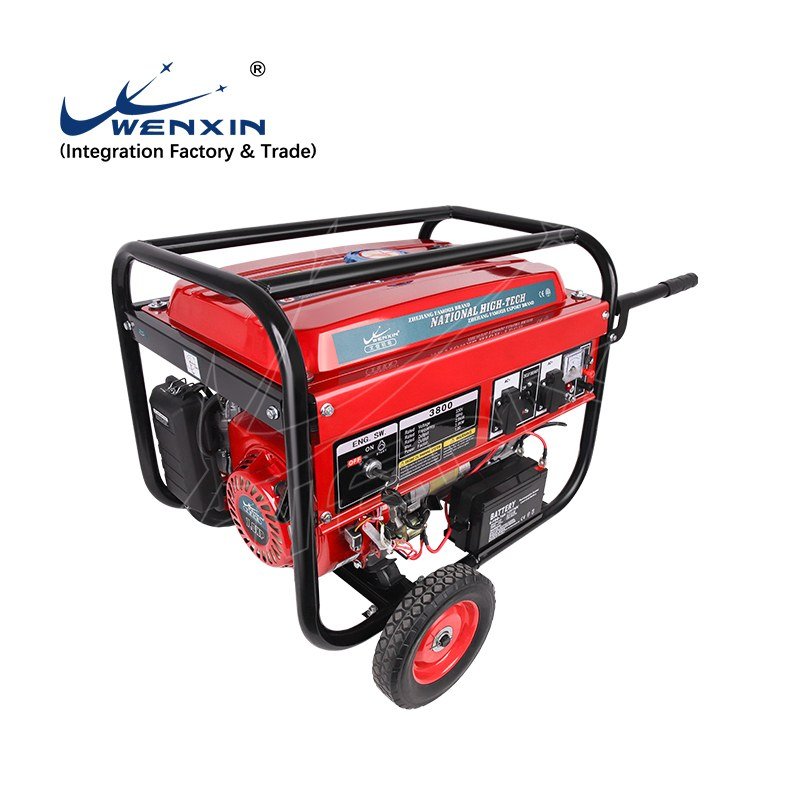
Fuel connection standards first. LPG regulators, hoses and cylinder fittings differ substantially between markets, and a multi fuel generator delivered with the wrong connection is unusable until the customer sources an adapter locally.
Then confirm voltage, frequency and any local rules covering gas appliances, which can be stricter than those covering gasoline equipment. These vary more than buyers expect and are not adjustable after shipping.
Finally establish which fuel the customer will actually use most. If gasoline will be the daily fuel and gas only an emergency backup, the specification conversation is different from a customer intending to run on gas permanently.
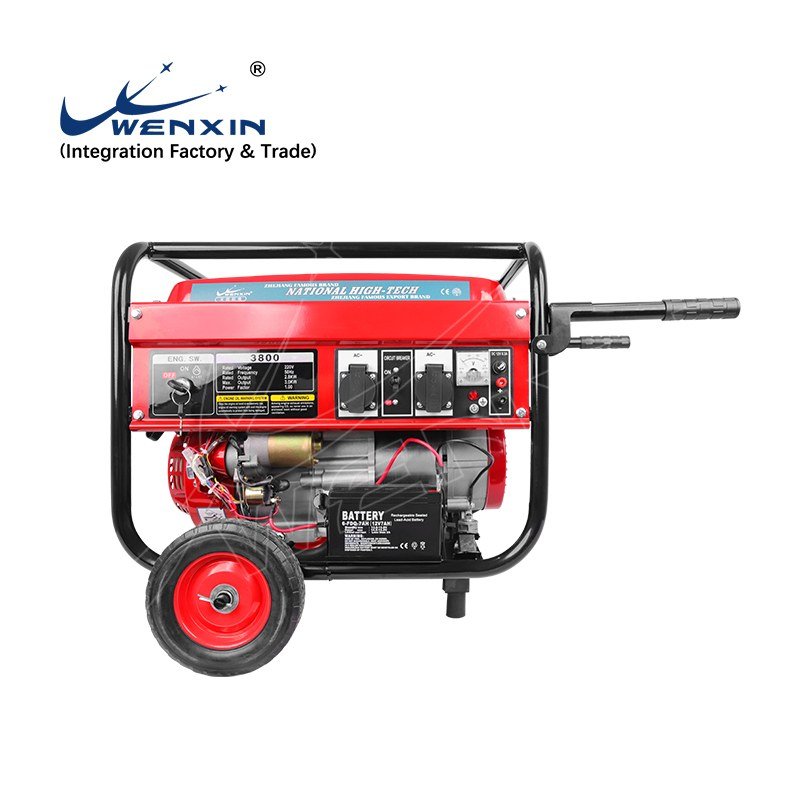
Regulators, hoses and fittings appropriate to the local cylinder standard, alongside the usual engine consumables. This category generates more accessory questions than any other generator line, and answering them locally is what secures the sale.
Clear documentation matters too. A customer switching fuels needs to know how, and support calls in this category are usually procedural rather than technical.
WENXIN supplies multi fuel generators built on proven gasoline engine platforms, with OEM and ODM support for brand, colour, packaging and specification. Tell us the fuels and cylinder standards in your market, and we will confirm what fits. Other options are on our generator page.