2-Stroke vs 4-Stroke Engine: Which One Do You Need?
Aug 31, 2026





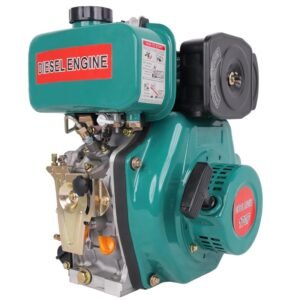
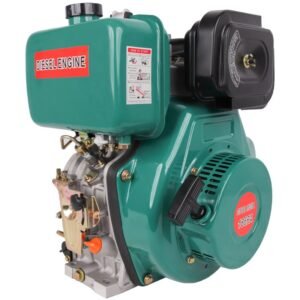
A diesel engine of this class is a power unit rather than a finished product. It drives water pumps, generators, pressure washers, tillers, threshers and small marine and industrial equipment — anywhere a machine needs sustained torque and long running hours without a mains connection.
Buyers in this category are usually one of two types: equipment assemblers who need a reliable power unit to build around, and distributors supplying replacement engines into an installed base. Both care more about parts availability and mounting compatibility than about headline output.
Compared with a gasoline engine, a diesel engine is heavier and costs more up front, and it earns that back only where the running hours are high. That threshold is the single most useful thing to establish before recommending anything.
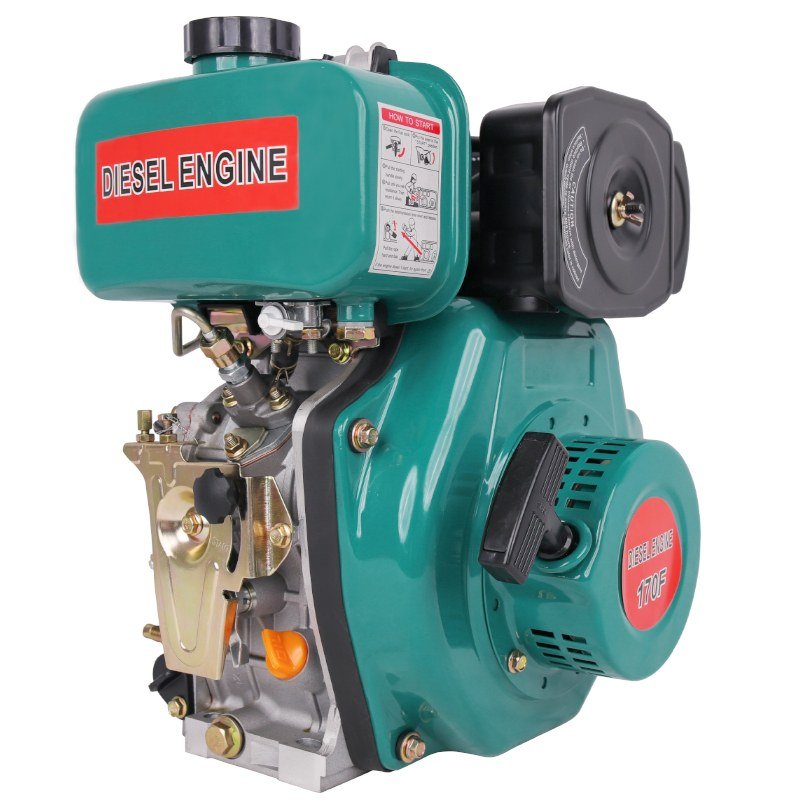
Our range is built as a small number of platforms rather than a long list of unrelated models, and this is worth understanding before specifying.
The largest platform illustrates it clearly: across its 186FA, 188, 190, 192 and 195 configurations the stroke stays fixed at 75 mm while the bore grows from 86 mm to 95 mm, with the fuel tank and oil capacity unchanged throughout. In other words these are not five different engines — they are one engine displaced upward, sharing footprint, service items and much of the parts list.
That matters commercially. A distributor stocking this platform covers a wide output band without stocking five separate parts inventories, and an assembler can move up or down the range without redesigning the mounting.
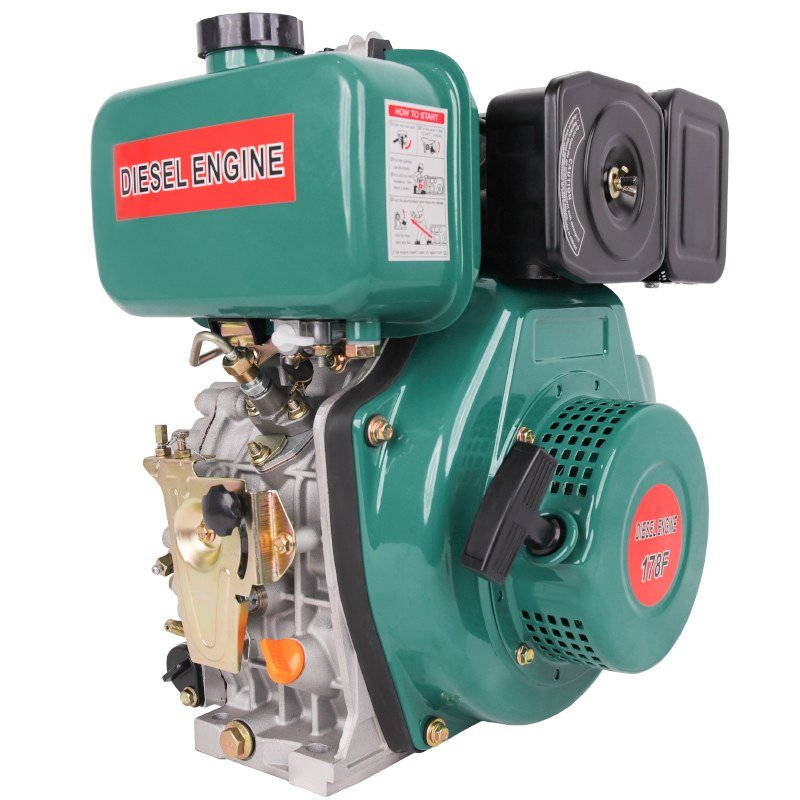
Start from the driven equipment, not the engine. The pump, generator head or implement defines the power and speed required, and the engine is selected to meet it with a sensible margin rather than the largest available.
Then confirm the starting method. Every model in our diesel engine range is offered with recoil and electric start, and the choice is usually dictated by where the machine sits and who operates it rather than by the engine itself.
Finally check the physical envelope — bore and stroke figures tell you about displacement, but mounting dimensions, shaft configuration and tank position decide whether the engine actually fits the machine being built. Confirm these on the drawing, not from the catalogue line.
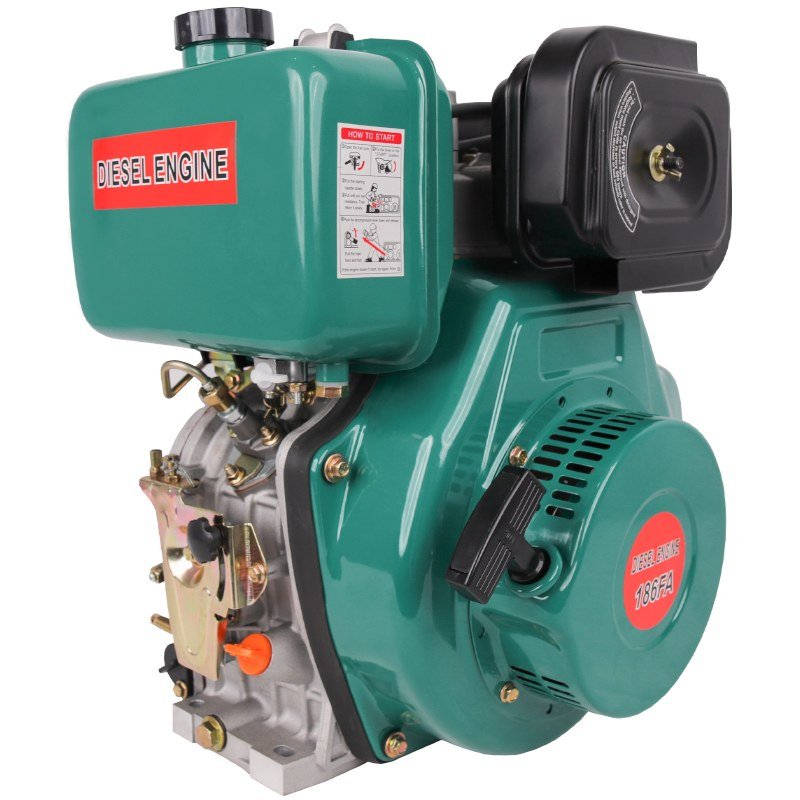
Filters, injectors, gaskets and starting components. A diesel engine sold into equipment that runs daily reaches its service points quickly, and availability of routine parts is what determines whether the customer returns.
Fuel quality is the other recurring theme. In markets where storage conditions are poor, filtration guidance given at the point of sale prevents most of the faults that would otherwise come back as warranty claims.
WENXIN supplies single-cylinder diesel engines across several displacement platforms with recoil and electric start, with OEM and ODM support for brand, colour, packaging and specification. Tell us the driven equipment and the duty cycle, and we will point at the platform that fits. The full power unit range is on our engine page.