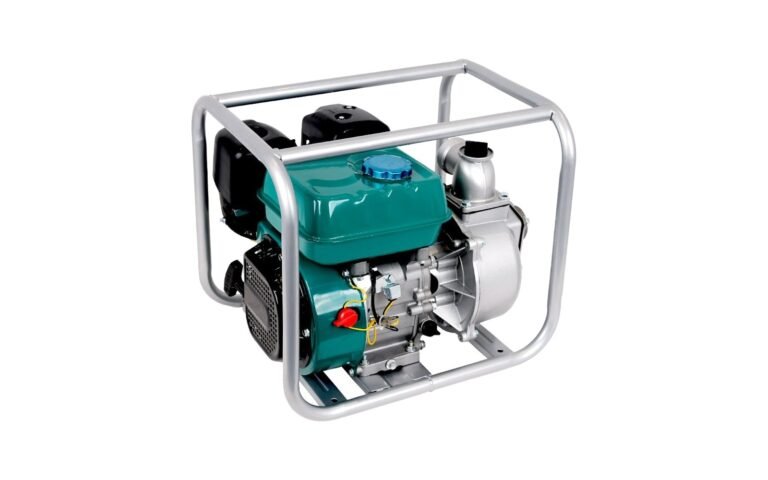
Petrol Engine Water Pump: How to Choose Port Size, Head and Suction Lift
Oct 13, 2026





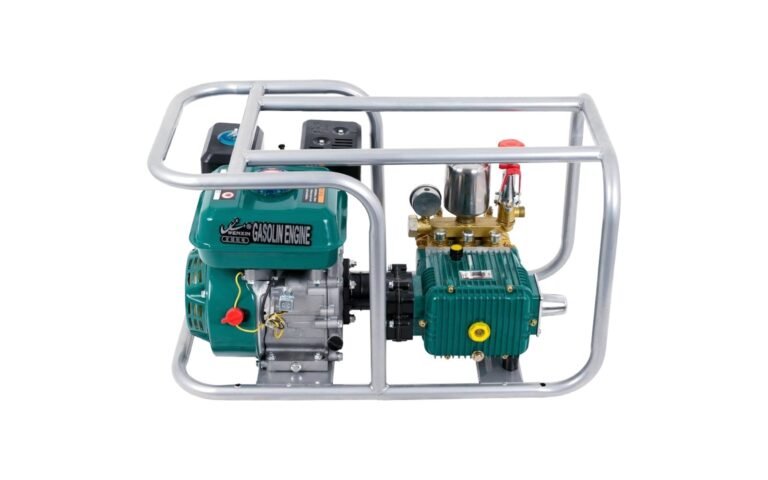
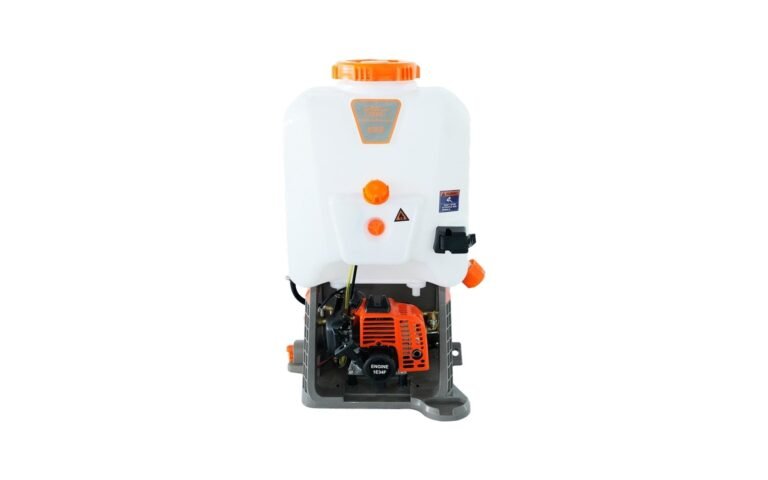
A gasoline engine in this catalogue is a power unit rather than a finished machine. It drives generators, water pumps, pressure washers, sprayer units, brush cutters, earth augers and small agricultural equipment — anything that needs mechanical power away from a socket.
Buyers are usually one of two kinds: assemblers building equipment around a proven power unit, and distributors supplying replacement engines into machines already in the field. Both care about mounting compatibility and parts availability more than about headline output.
Compared with a diesel engine, a gasoline engine is lighter, cheaper and easier to start, and it suits intermittent duty. Diesel earns its premium only where the running hours are high enough to repay it.
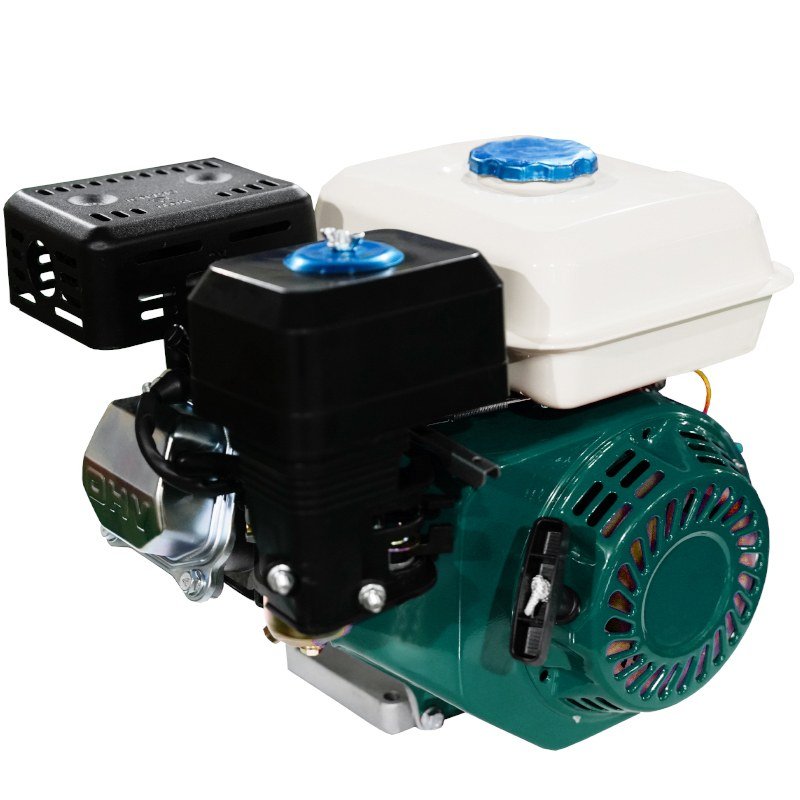
This is the most useful thing to understand before specifying, and the displacements make it obvious.
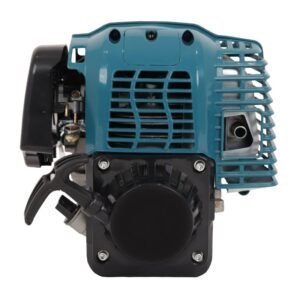
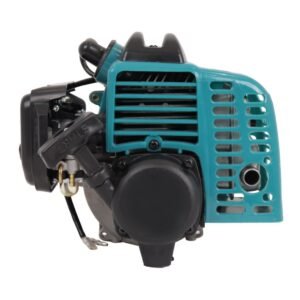
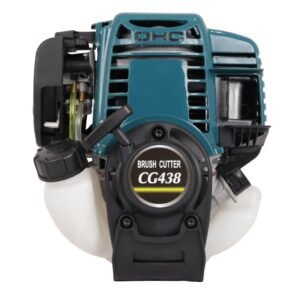
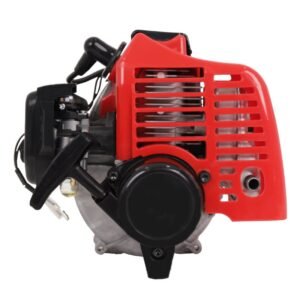
The handheld family runs from roughly 24.5 cc to 35.8 cc at 0.6 to 0.85 kW — the TU26, 25, 34, 35 and 139 units. These are what sit inside brush cutters, earth augers and carried sprayers, where weight in the operator’s hands decides everything.
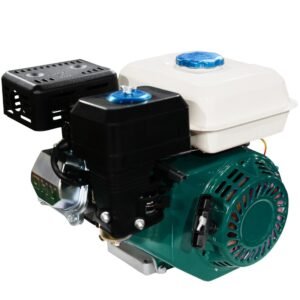
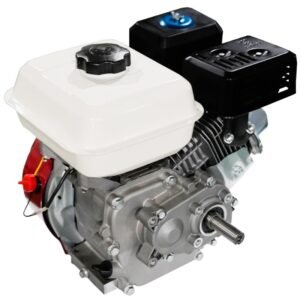
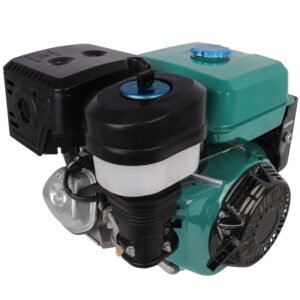
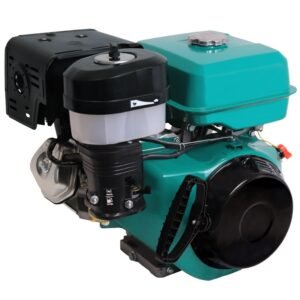
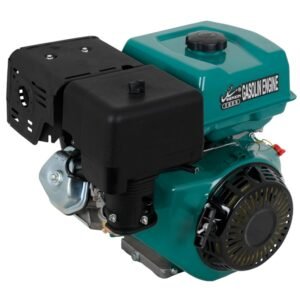
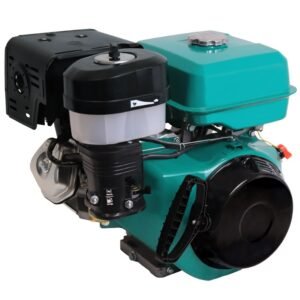
The general-purpose family runs from 196 cc to 458 cc at roughly 3 to 8 kW — the 168, 170, 177, 188, 190 and 192 units. Bore and stroke grow steadily through it, from 68×54 mm at the small end to 92×69 mm at the large. These are the engines behind generators, pumps and pressure washers.
Almost nothing sits between the two families, and that is deliberate: they serve entirely different classes of machine. Establishing which family the customer needs takes one question and removes half the catalogue.
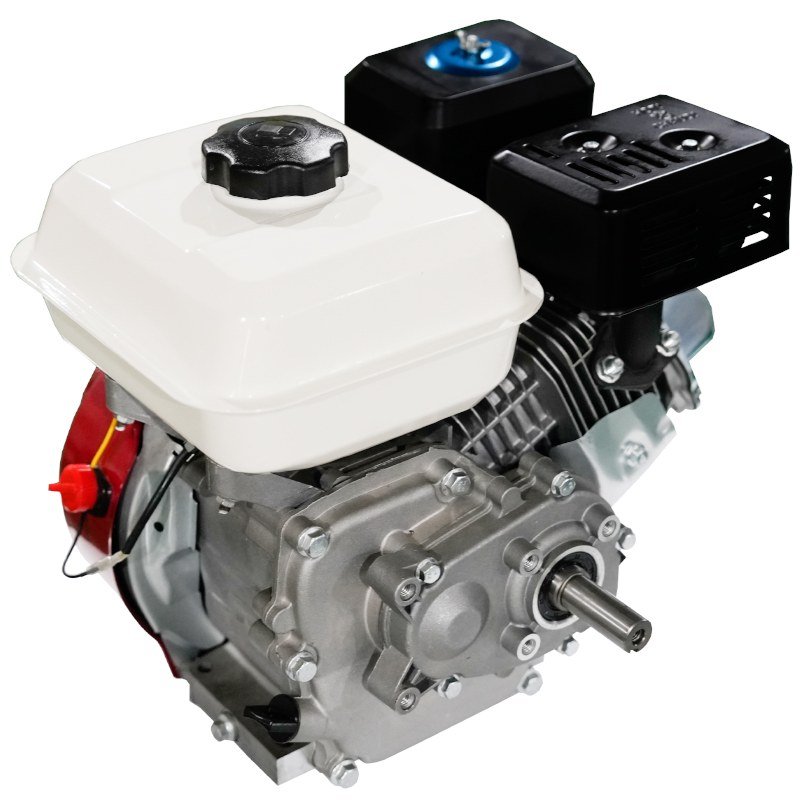
Work backwards from the driven equipment. The pump, generator head or implement defines the power and speed required, and the engine is chosen to meet it with a sensible margin rather than the largest available. Oversizing costs fuel and weight without adding usable output.
Then confirm the physical interface. Displacement and rated power tell you nothing about whether the engine bolts into the customer’s machine — shaft type and diameter, mounting pattern, and tank and control positions decide that. Confirm them from the drawing rather than the catalogue line.
Starting method and fuel system should be confirmed for the destination market at the same time, since both are difficult to change after the machine is built around the engine.
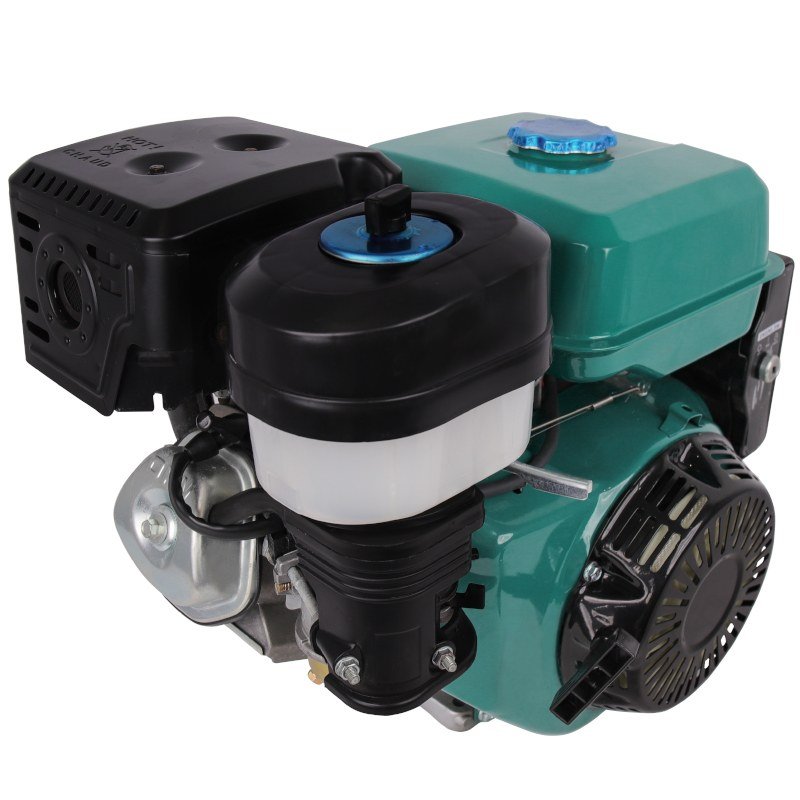
Filters, spark plugs, recoil assemblies, carburettors and gaskets. A gasoline engine in working equipment reaches routine service quickly, and the distributor who can supply consumables locally is the one the customer returns to.
Because so much of our range shares a small number of platforms, this inventory is smaller than the model list implies — parts planned around the family rather than the individual model will cover most of what walks through the door.
WENXIN supplies gasoline engines in handheld and general-purpose families across a wide displacement range, with OEM and ODM support for brand, colour, packaging and specification. Tell us the driven equipment and the mounting interface, and we will point at the platform that fits. The full power unit range is on our engine page.