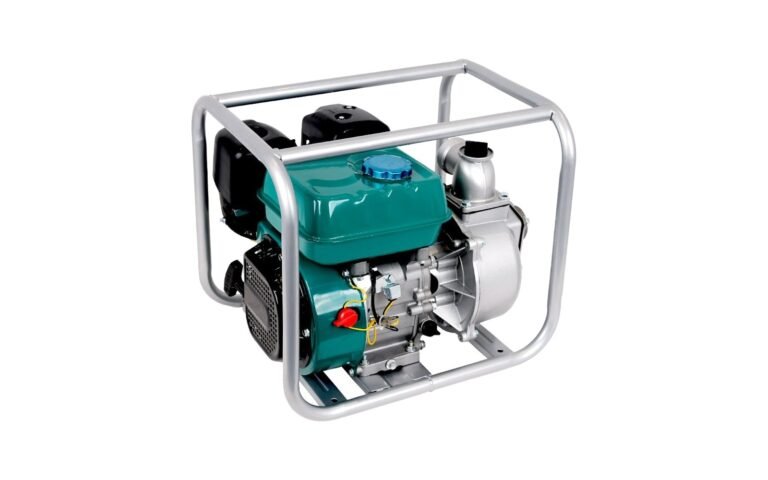
Petrol Engine Water Pump: How to Choose Port Size, Head and Suction Lift
Oct 13, 2026





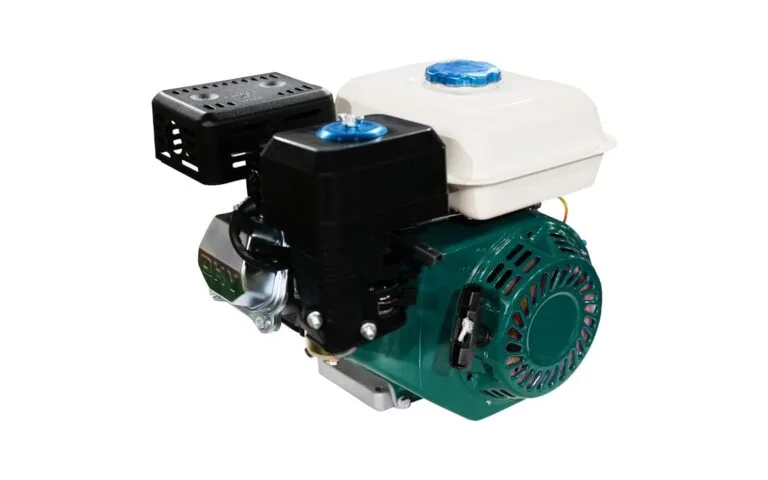
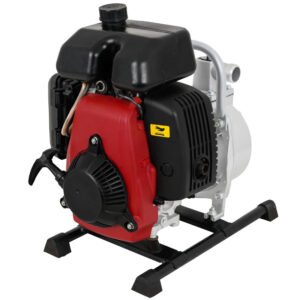
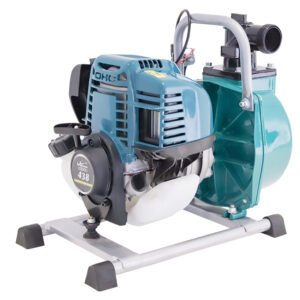
A gasoline water pump moves water where there is no power supply and no time to arrange one: irrigation, drainage after flooding, filling and emptying tanks, construction dewatering, and fire-fighting support on rural properties.
Its advantage is independence. The unit arrives, starts, and works without wiring, which is why contractors and farms keep one on the truck. Where mains power is available and the pump stays in one place, an electric unit is usually cheaper to run; where it does not, a gasoline water pump is the only practical option.
For bulk buyers, the useful question is what the customer is moving and how far. Clean water, muddy water and debris-laden water are different jobs, and a pump sized only by port diameter will disappoint on at least one of them.
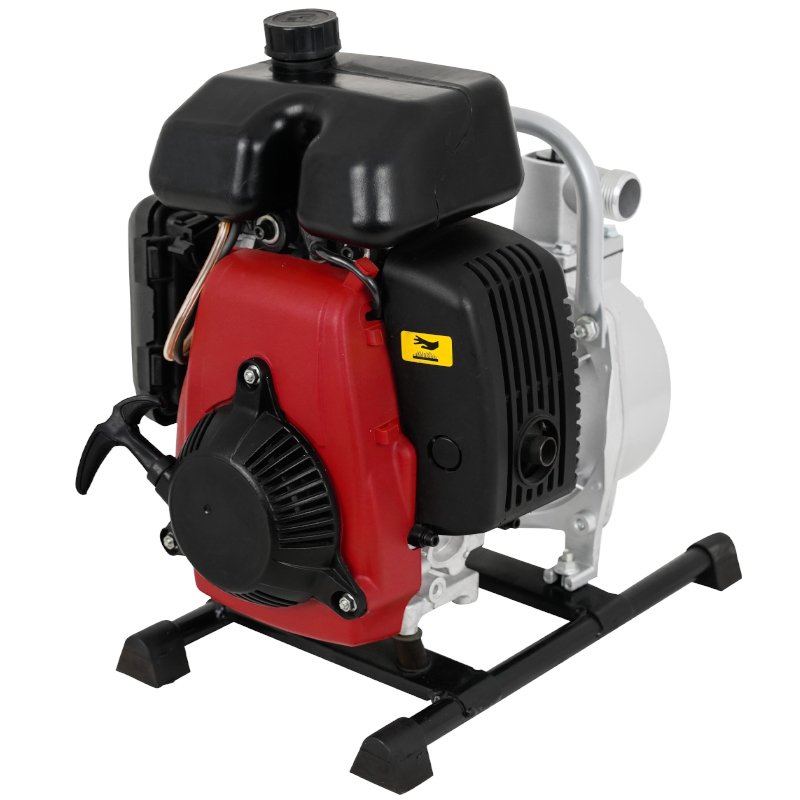
Port size sets roughly how much water can pass; head sets how high or how far it can be pushed. Buyers routinely choose on port size alone, which is where most mismatched orders come from.
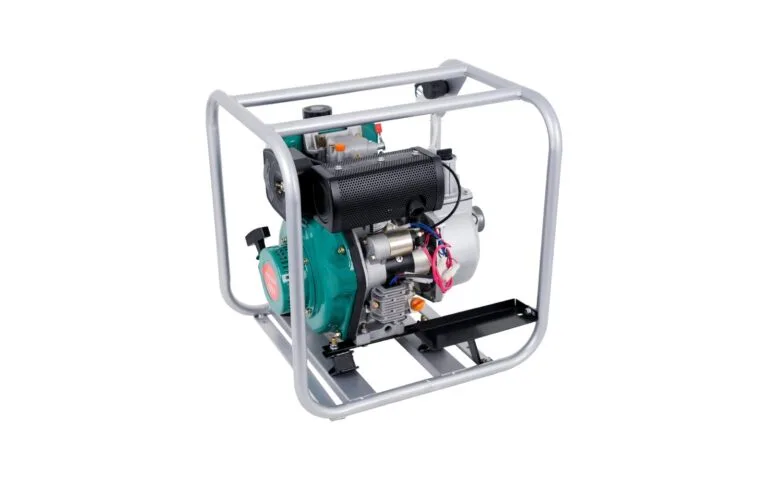
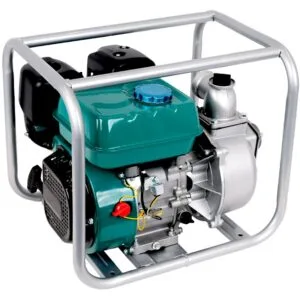
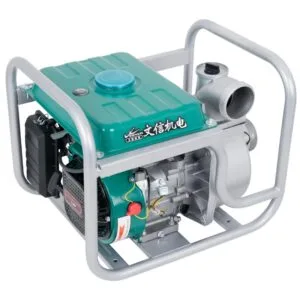
Our own 2-inch range shows why both numbers matter. The same port size is offered in a standard configuration and a high-pressure configuration, and the difference in maximum head between them is substantial — the standard unit is built for volume at modest lift, the high-pressure unit for lift at lower volume. Two machines, same connection, opposite jobs.
So ask for the vertical lift and the hose run before recommending anything. Suction lift matters too: every gasoline water pump has a limit on how far above the water it can sit, and exceeding it means the pump will not prime no matter how powerful the engine is.
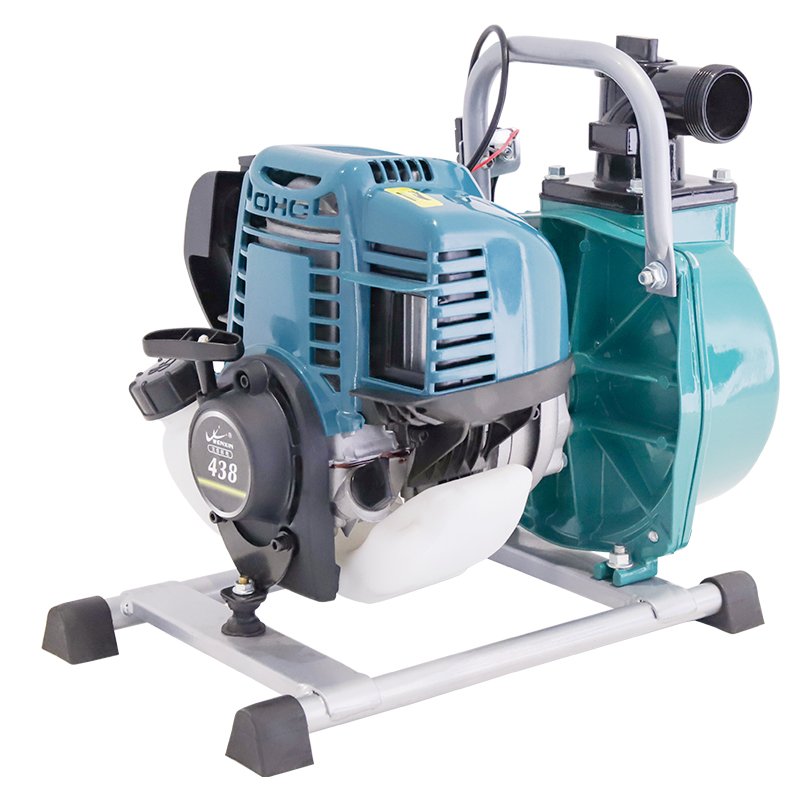
For irrigation, a gasoline water pump usually needs volume at moderate head, and often runs for long periods, so fuel consumption and ease of starting matter. Drainage after rain is the opposite: short, urgent, and frequently dealing with water that is not clean.
Construction dewatering sits between the two and adds abuse — the pump gets moved daily, runs in dust, and is rarely cleaned. For that customer, serviceability and parts availability matter more than any headline figure.
Where the site has power and the pump stays put, point the customer at a diesel water pump for sustained duty or at the electric options in our pump range. Matching the power source to the site is worth more than upgrading the pump.
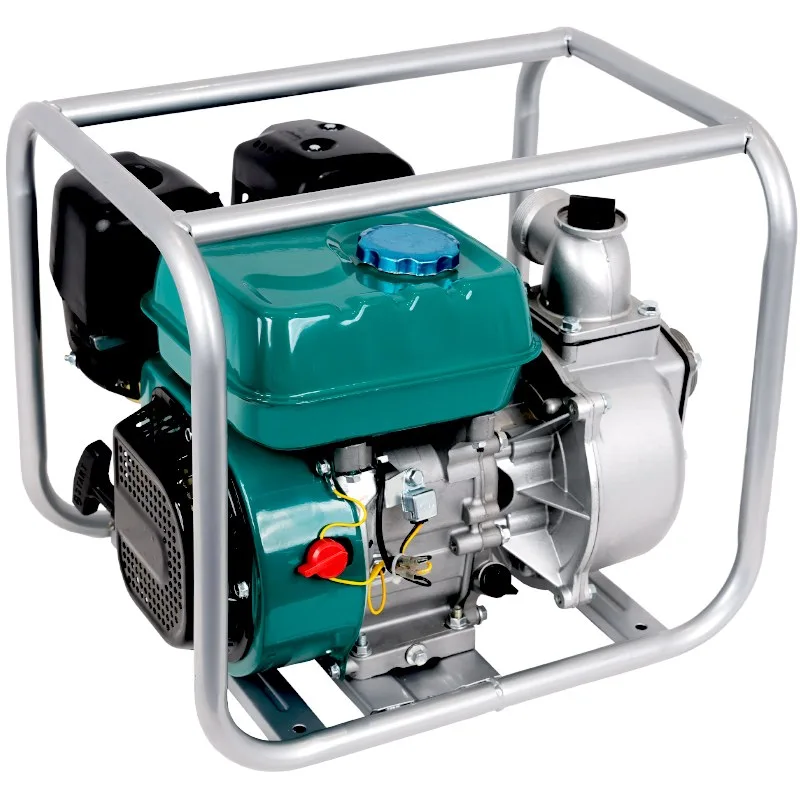
Most gasoline water pump complaints trace back to priming, suction height, or hose that is too long or too narrow for the head required. None of these are faults in the pump, and all of them are avoidable with two questions at the point of sale.
The second common issue is impeller wear from abrasive water. Distributors who stock impellers, seals and gaskets keep those machines running instead of watching them get replaced by a competitor’s.
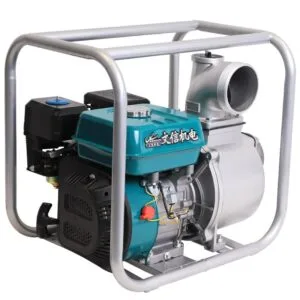
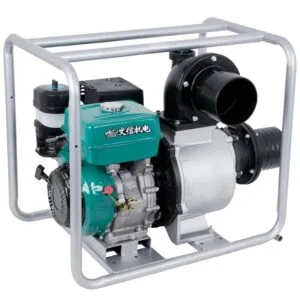
WENXIN supplies gasoline water pumps across a range of port sizes, in standard and high-pressure configurations, with OEM and ODM support for brand, colour, packaging and specification. Tell us the lift, the hose run and the water condition, and we will point at the configuration that fits.