



A diesel water pump for agriculture is bought for hours, not liters. If the customer runs a pump through a whole irrigation cycle, empties ponds, or dewaters a field after rain, diesel is the fuel that keeps going without a refuel stop every couple of hours. If the same customer pumps for twenty minutes and moves on, a lighter gasoline (petrol) unit does the job for less money. This guide walks a distributor through that choice using the figures on our own pump range: port size, maximum head, suction lift and engine, so the recommendation rests on numbers rather than on habit.
When Is a Diesel Water Pump for Agriculture the Right Call?
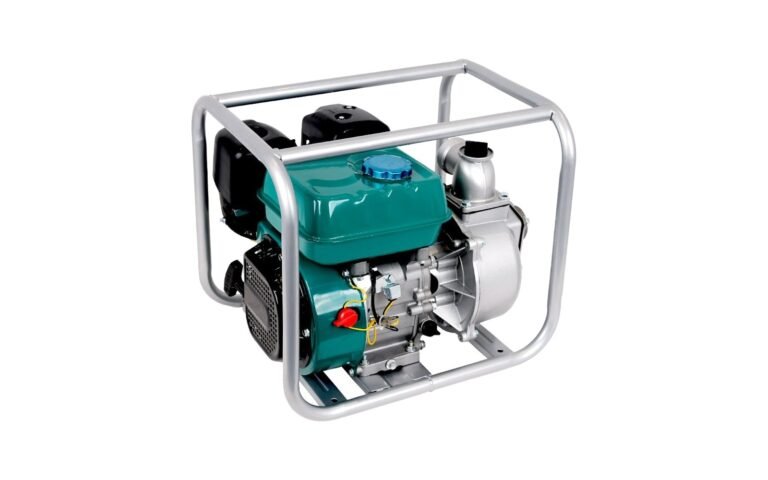
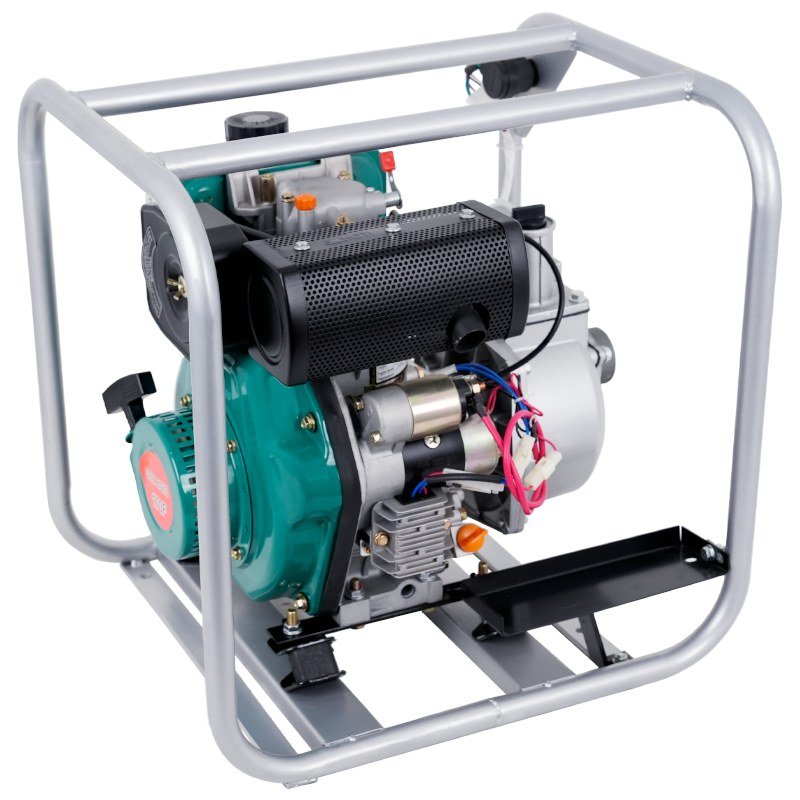
Choose a diesel water pump for agriculture when the qualifying question is running hours. Our diesel line covers three port sizes, and all three share one design idea: sustained volume work. The 2 inch diesel water pump pairs 2-inch suction and discharge ports with a 170F single-cylinder four-stroke engine of 211 cc, rated 2.5 kW and 3.8 HP. The 3 inch model steps up to a 178F engine of 296 cc, rated 3.7 kW and 5.4 HP, and the 4 inch model tops the line with a 418 cc 186FA engine rated 5.7 kW and 8.6 HP.
What the numbers say is that a diesel water pump for agriculture in this range is built for duty cycles that repay the diesel premium. Gross weights run 37 kg, 45 kg and 76 kg: the 2 inch unit moves between job sites without lifting equipment, while the 4 inch unit is the one for buyers whose jobs have outgrown the smaller sizes. For short or occasional pumping the same customer is better served by the gasoline line described next.
When Does a Gasoline Pump Fit the Job Better?
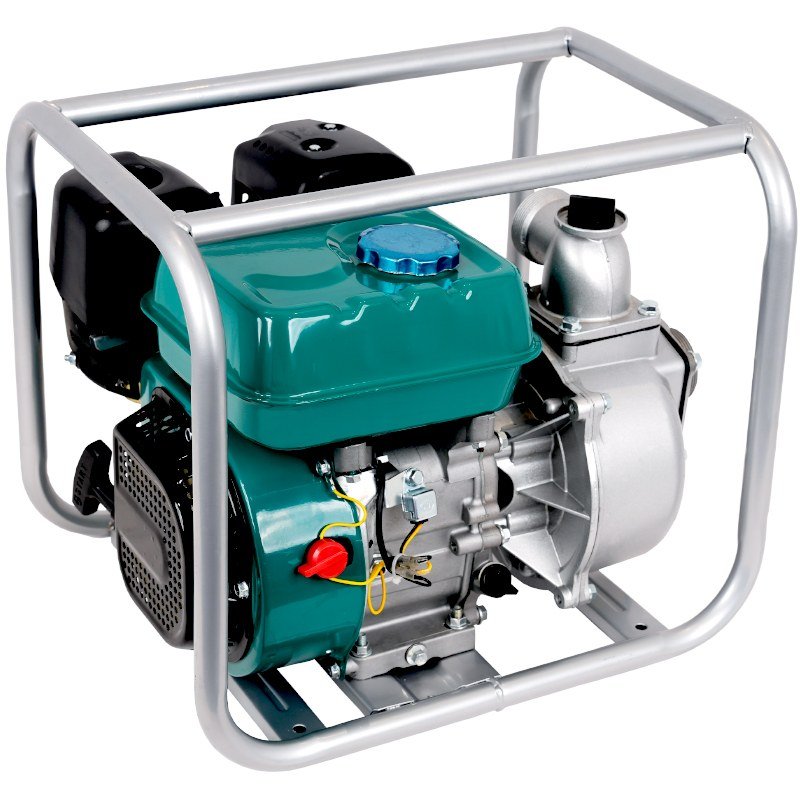
A gasoline pump beats a diesel water pump for agriculture when the job is short, urgent or occasional, and when weight matters more than running hours. A gasoline water pump arrives, starts and works without wiring, which is why contractors and farms keep one on the truck. Drainage after rain is the classic case: a quick job, often with water that is not clean, on a site the pump will leave the same day.
The range is also wider. Our gasoline line runs from a 1 inch unit with three engine builds rated 1.4 kW, through 1.5, 2, 3 and 4 inch sizes, up to a 6 inch gasoline water pump on a 190 engine of 420 cc rated 7.5 kW and 15 HP, built for drainage and irrigation measured in cubic meters per hour. Where a diesel water pump for agriculture is a volume tool for long sessions, the gasoline line lets you match a lighter machine to a lighter job, and it also carries the high-pressure builds covered below.
What Do Port Size and Head Actually Tell You?
Port size sets roughly how much water can pass; head sets how high or how far it can be pushed. Buyers routinely choose on port size alone, which is where most mismatched orders come from, so read both columns before recommending a model.
Our 2 inch gasoline water pump shows why. The standard builds on 167 or 168 engines reach a 30 m head; the 170 high-pressure build lifts that to 65 m, and a chemical-duty build handles corrosive liquids at 45 m. Same connection, opposite jobs. The 3 inch gasoline water pump spreads even wider: 28 m standard, 45 m high-head, 65 m high-pressure, plus a sewage version for solids-laden water.
A diesel water pump for agriculture reads differently. Across 2, 3 and 4 inch configurations the maximum head barely moves, from 19 m to 20 m, and suction lift is 7 m throughout. Moving up a diesel water pump for agriculture does not let a customer push water higher; it lets them move more of it. If the requirement is lift rather than volume, a bigger inlet is the wrong lever.
How Do You Size a Diesel Water Pump for Agriculture?
Work from three numbers: the vertical lift required, the distance the water must travel, and how many hours per session the pump will run. Hose diameter and length affect the result as much as the pump does, and they are usually the cheapest thing to fix.
Then check suction. Every pump has a maximum height it can sit above the water surface, and exceeding it means the pump will not prime regardless of engine size. The diesel water pump for agriculture range is rated at 7 m of suction lift; the gasoline range is rated at 7 m or 8 m depending on the build.
Finally, match the engine to the hours. The 2 inch diesel water pump for agriculture at 2.5 kW is enough for a customer who runs an irrigation cycle every day on a small holding; the 4 inch unit at 5.7 kW is for the farm or contractor moving large volumes through full working days. Between them, the 3 inch model buys more volume through larger ports at the same 19 m head.
What Should the Buyer Confirm Before the Order Ships?
Four things: water condition, fittings, wear parts, and the two questions above. Clean water, silty water and debris-laden water place very different demands on the impeller, and a pump specified for one will wear quickly on another. A sewage-duty gasoline build exists for exactly this reason, and the buyer should know whether the customer needs it.
Confirm hose and coupling standards for the destination market before shipping. Port sizes are quoted consistently, but the fittings customers expect on the end of them are not, and a mismatch turns a delivery into a complaint. Distributors who stock impellers, seals, gaskets and engine service parts keep a diesel water pump for agriculture running instead of watching it get replaced, because these machines run long hours in abrasive conditions by definition.
Which Sizes Should a Distributor Stock First?
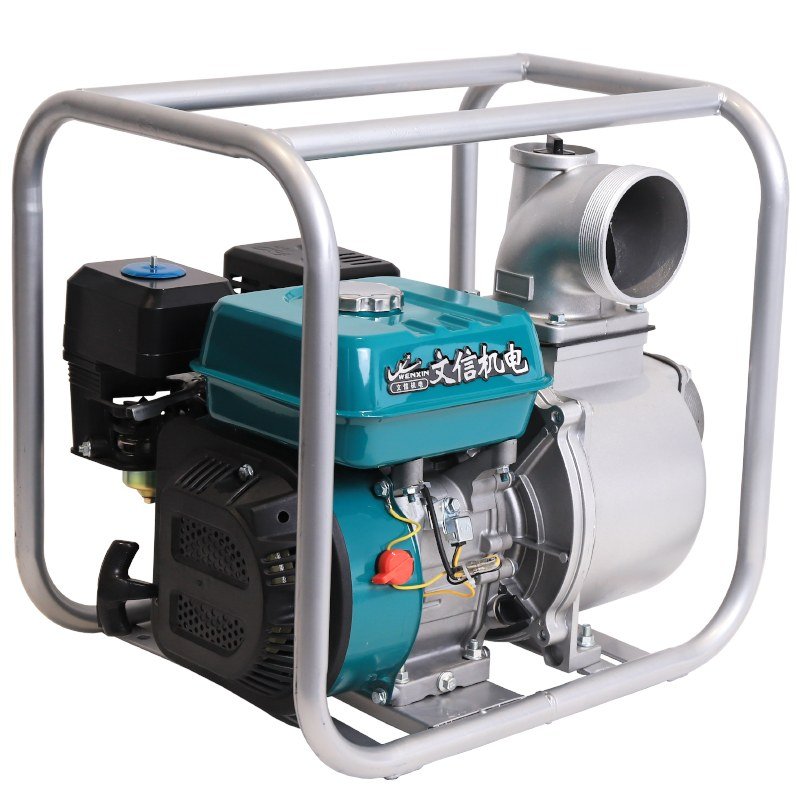
Stock the 2 inch size in both fuels and let the customer’s hours decide between them. The 2 inch gasoline water pump is the size most distributors list first, and its standard and high-pressure builds cover the bulk of transfer and lift jobs. The 2 inch diesel water pump for agriculture sits beside it for the customer who runs through a full irrigation cycle and wants to refuel less often.
Add the 4 inch models once your market shows sustained-volume demand: the big 4 inch gasoline builds on 177, 188, 190 or 192 engines at 6.5 kW for high-volume transfer, and the 4 inch diesel water pump for agriculture for the same work over longer hours. Every model here is available with custom logo, color, labeling and carton design; the full range is on our pump page, the diesel models are grouped under diesel water pumps, and you can send us the lift, the hose run and the daily running hours to get the configuration that fits.
Sourcing sprayers, generators or water pumps?
Talk to the WENXIN factory team about specifications, customization and OEM orders.