



A portable generator is a generator that one or two people can move to the job, instead of bringing mains power to the job. Choosing a portable generator comes down to what it has to run and how it has to travel, so this guide compares our carrying styles: suitcase units, inverter models and wheeled open-frame machines. It then covers output, tank size, fuel and the checks to make before an order. Every figure comes from our published product pages; where a figure such as noise level or appliance wattage is not on our sheets, we leave it out.
Which Portable Generator Style Fits the Job?
Start with the load, then match the carrying style to how often the machine moves. A small suitcase unit suits one person and light loads, an inverter suits anything with a screen, and a wheeled open-frame portable generator suits heavier loads that travel between jobs. The table sets four of our generator styles side by side, so the trade-offs are easy to see.
| Style | Rated output | Weight | Fuel tank | Run time | Moved by |
|---|---|---|---|---|---|
| Suitcase (950A) | 650 VA | 16 kg | 4.2 L | Up to 6 h | Top handle |
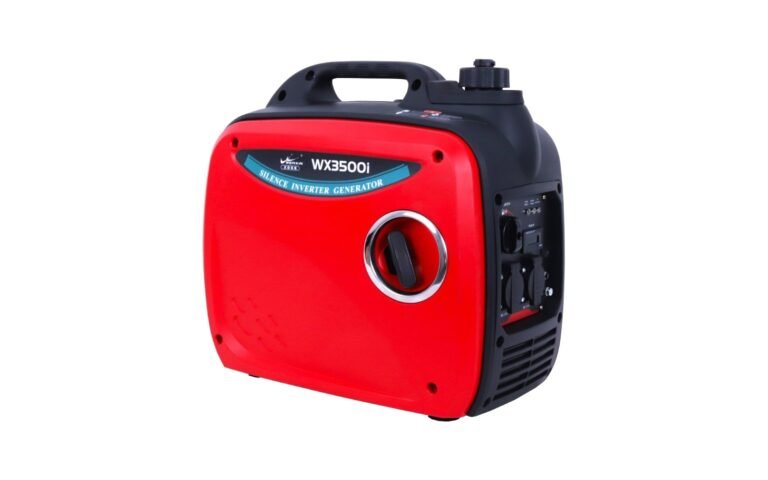
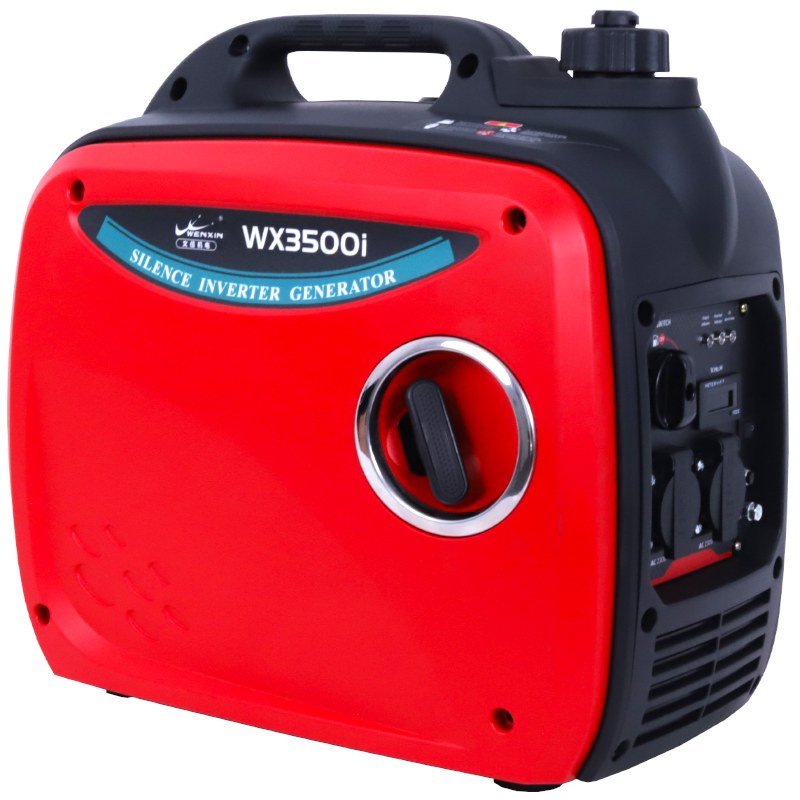
| Silent inverter | 2 kW | — | 6 L | Up to 5 h | Top handle |
| Open-frame inverter (Kingkong) | 3-4.5 kW | — | 7.5 L | 3.5-4.7 h | Tube frame |
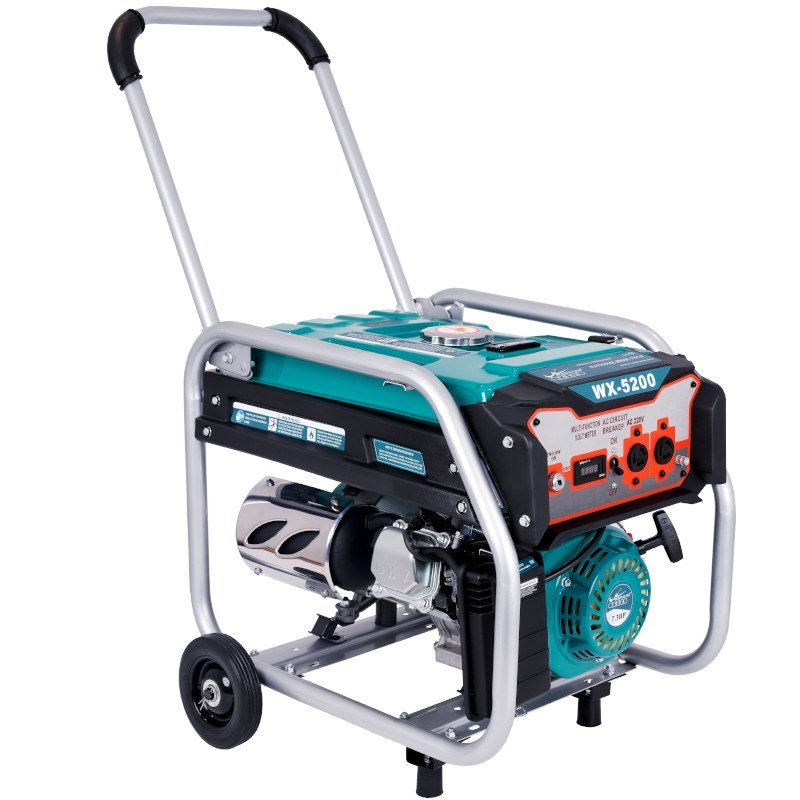
| Wheeled open-frame | 1.5-8 kW | — | 15 / 25 L | 7.5-14 h | Wheels and folding handle |
Two cautions on reading it. The weight column has gaps because, of these four styles, our catalog prints a weight only for the 950A. Output is also not the same thing as portability: the largest wheeled unit here is rated at four times the output of the silent inverter, yet it is the one you push rather than carry.
How Much Output Does a Portable Generator Need?
Size a portable generator for what it will actually run, including anything that draws extra current at the moment it starts. Motors, compressors, pumps and refrigeration all demand more on start-up than while running, and a generator sized only for the running load will trip when they kick in. Add up the nameplates of the equipment that runs at the same time, then leave room for the largest starting load.
Compare rated output rather than peak, because peak is a short-duration figure that no machine sustains. Across our portable range the ratings step up from 650 VA on the 950 series, through 800 W, 1 kW and 2 kW inverters, to 3-4.5 kW open-frame inverters and wheeled machines up to 8 kW. The 650 VA figure is quoted in VA as printed on our sheets, so compare it with the VA rating of your load rather than converting it.
Do You Need an Inverter or a Conventional Generator?
You need an inverter when the load includes electronics. An inverter generator conditions its output electronically rather than relying on engine speed alone, which makes it the right answer for laptops, tills, camera and audio gear, measuring equipment or anything with a control board. If the load is drills and floodlights, a conventional gasoline generator is usually better value.
The second reason is handling. Because the engine can vary its speed with demand, an inverter generator is quieter under light load and easier to carry, which matters at market stalls, on camping trips and for outside broadcast work. Our smallest is the 800 W open-frame unit, with a 42.8 cc engine, a 3.4 L tank and up to 4 hours per fill. The 2 kW silent model puts its inverter unit in a fully enclosed body, with a 6 L tank and up to 5 hours of running.
What Makes a Portable Generator Easy to Move?
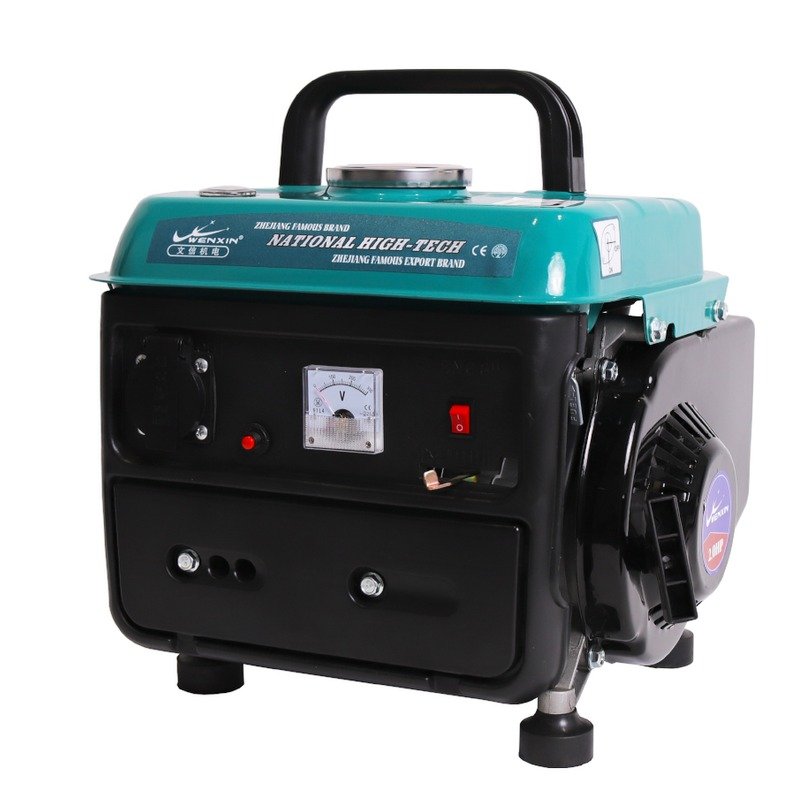
Weight and handling decide it, and neither scales neatly with output. The 950A is the entry point of our portable range: a 16 kg suitcase-style unit with a top carry handle that one person moves easily, in a 380×325×330 mm carton. It delivers 650 VA, starts on a recoil pull and runs up to 6 hours on its 4.2 L tank.
The Kingkong type packs 3-4.5 kW into the smallest package of our three open-frame inverter families, in a 445×385×470 mm carton. Past that point, wheels take over. The wheeled gasoline generator adds a wheel kit and folding push handle, so one operator can move even the 459 cc top step without lifting, which suits markets where generators travel between jobs daily.
How Long Will a Portable Generator Run on a Tank?
Run time depends on tank and output together, and it does not move the way buyers assume. On the same platform a bigger tank buys hours; across platforms, higher output consumes them. Our 1.5 kW wheeled configuration runs 14 hours on 15 L, while the 4 kW and 5 kW machines run 11 and 10 hours on a 25 L tank: more fuel, fewer hours.
Two machines with the same engine can also quote very different figures. Our 3 kW Kingkong and our 3 kW WENXIN type inverters both use a 212 cc 170F engine, yet one carries 7.5 L and runs 4.7 hours while the other carries 15 L and runs 9 hours. Neither figure is wrong: the first trades tank size for a smaller carton. When you compare any portable generator, ask what load the run time was measured at, not just the headline hours, since a stated load and no load can differ by hours.
Should You Choose Gasoline or Diesel for Portable Power?
For most portable jobs, gasoline (petrol) is the better fit. A gasoline generator is the answer for occasional and portable duty, a diesel generator is the answer for sustained duty, and the economics only favor diesel once the running hours are genuinely high. Every model in this guide runs on gasoline, and our gasoline vs diesel generator comparison covers the trade-off in full.
Diesel still has its place. Our smallest open-frame diesel generator is rated 2.8 kW and ships in a 685×485×570 mm carton, so it is a machine you place rather than carry around. If it will stay in one spot, see our guide to a diesel generator for home. If you need LPG or natural gas as well, our multi-fuel generator range covers that, and a generator welding machine adds welding to the same job.
What Should You Check Before Ordering a Portable Generator?
Confirm the electrical standard first. Voltage, frequency and starting method must match the destination market and cannot be adjusted after shipping. The models in this guide are wired 110V/220V at 50Hz or 60Hz, with 380V available on the wheeled machines from 4 kW upward. Confirm the socket type as well, because a portable generator sold into the wrong standard is a common and entirely avoidable loss.
Then plan spare parts. Recoil assemblies, filters and spark plugs keep a machine alive in the field, and because many of our gasoline styles share engine platforms, stocking two or three engine families covers most of the range. If a portable generator is going onto a shelf, plan retail packaging too, since inverter models are often sold to end users rather than trade. Certificates for our generator line are CE, RoHS and EPA, and we support OEM and ODM orders for logo, color, packaging and specification. Tell us your target market and the loads your customers run, and we will point at the configurations that fit.
Sourcing sprayers, generators or water pumps?
Talk to the WENXIN factory team about specifications, customization and OEM orders.